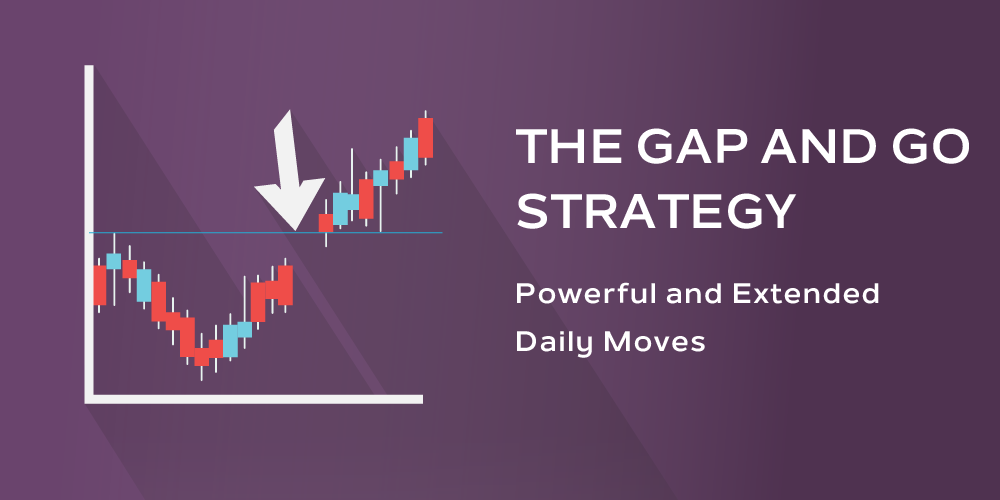
The opening gap is one of the most widely traded and also misunderstood trades available on a regular basis. To trade a gap, it is imperative first to know what a gap is.
An opening gap is when price action opens the day or pit session above or below the previous day’s high or low.
Many would-be gap traders are focused on the gap from where prices closed to where they open. While winning trades may potentially be had in this manner, they may be relatively small given the risk and such trades may frequently result in stop-outs.
The gap and go, on the other hand, looks to take advantage of powerful market forces at work. Think about this for a moment: If the price of stock ABC trades from $30-$30.55 on Monday and opens at $34 on Tuesday, there are likely forces at work driving demand for the shares.
Why fight it?
The gap and go can potentially lead to powerful and extended daily moves. Here’s how to trade the gap and go using the e-mini SP500 futures contract as an example:
- Look for a gap up or gap down in the e-mini SP at the 8:30 am CST big SP pit open.
- Look for a significant gap above or below the previous day’s high or low.
- If the market gaps up on the open, go long.
- If the market gaps down on the open, go short.
- Place a stop-loss just above or below the open.
- Trail the stop or otherwise manage the position.
- Hopefully, enjoy the ride.
The beauty of the gap and go is that if you are wrong, the market will tell you right away. On the other hand, if you buy or sell right at the open, the market may quickly accelerate in the direction of the gap leading to potentially excellent trades.
You will want to apply some filters to the strategy as well. For example, a gap up of just two points in the mini SP may not be significant. A gap lower of 15 points, however, may potentially see extended selling pressure. In addition, if the market gaps up or down and there is considerable room to the next key technical support or resistance point, it might be an opportunity worth jumping on. If the market gaps up or down into previous support or resistance, it may be best to leave the trade alone.
Trading with any significant opening gaps may help you stay on the path of least resistance. In addition, these types of trades can potentially be powerful in nature and tend to unfold quickly whether right or wrong. Used along with good risk and trade management skills, the gap and go can be a game-changing tool in a trader’s toolbox.